Top Story

INL brings STEM education to Fort Hall at new summer program
By YVONNE WARJACK
Sho-Ban News
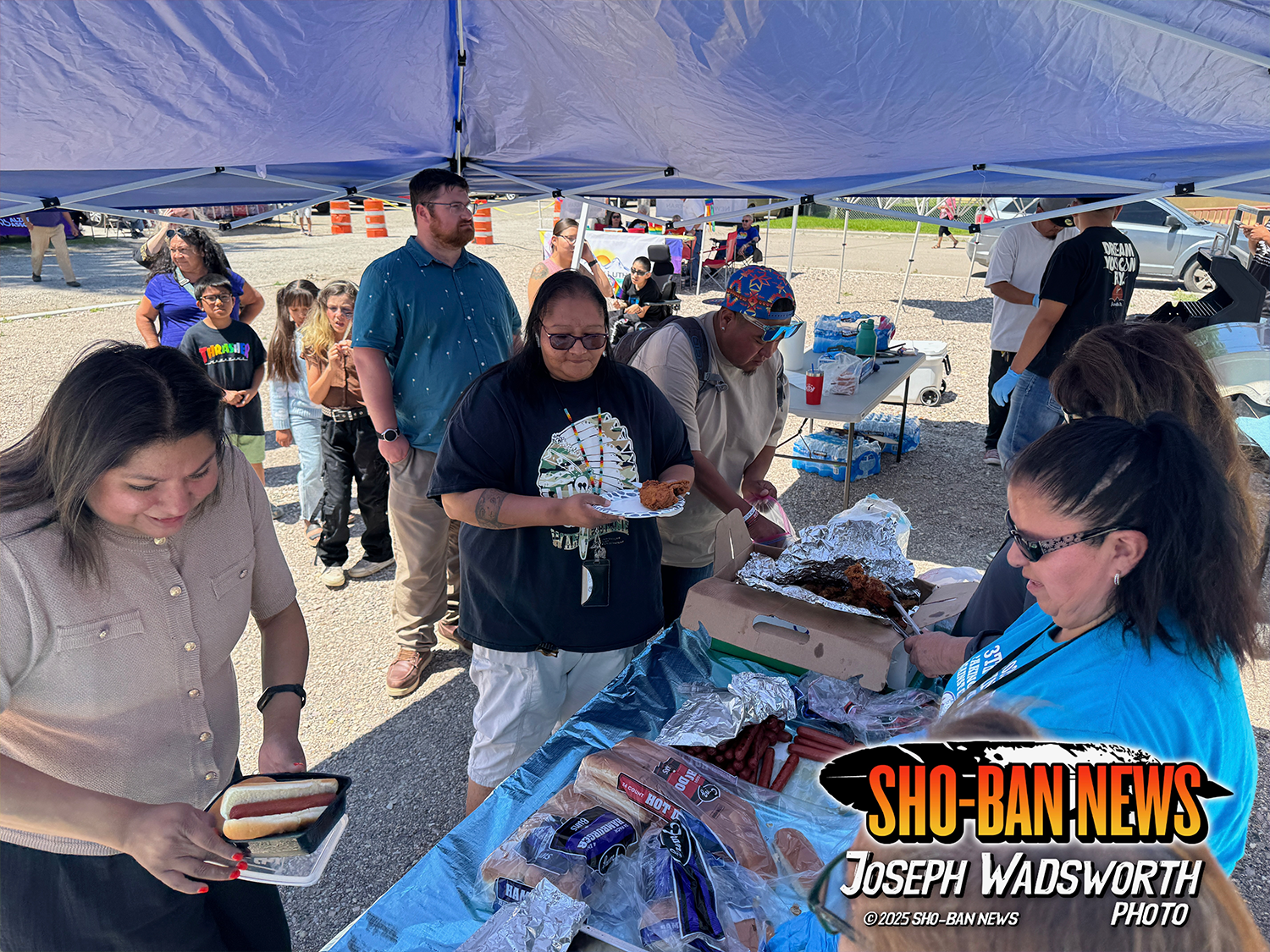
FORT HALL — For the first time, Fort Hall youth were able to experience hands-on science, technology, engineering, and math (STEM) learning – right in their own backyard – thanks to a new partnership with the Idaho National Laboratory (INL).
The program, “STEM Scholars on the Road,” was created to eliminate barriers that typically prevent Fort Hall youth from accessing INL’s educational opportunities in Idaho Falls. Transportation and scheduling have often been obstacles, but this year, INL brought the learning directly to the Fort Hall Summer Recreation Program. (cont.)
In other news...
By LORI ANN EDMO
Sho-Ban News
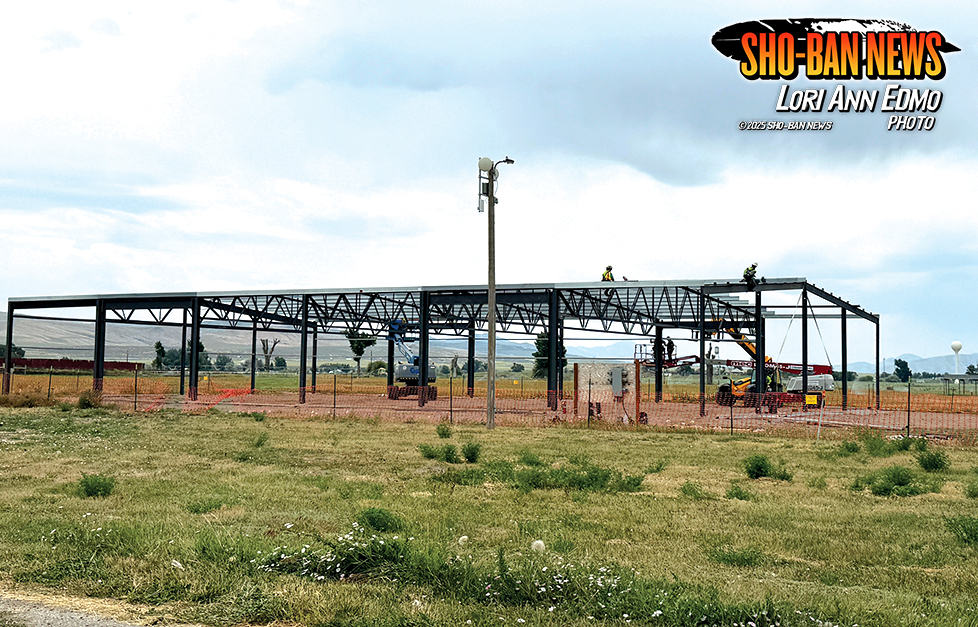
FORT HALL — The Shoshone-Bannock Tribes new handgame structure is expected to be completed by the first week of August just before the Shoshone-Bannock Festival.
Funding for the estimated $638,675 structure not including electrical work comes from Tribal Tax dollars said Wendy Farmer, Tribal Revenue director. The amount does include TERO fees. (cont.)
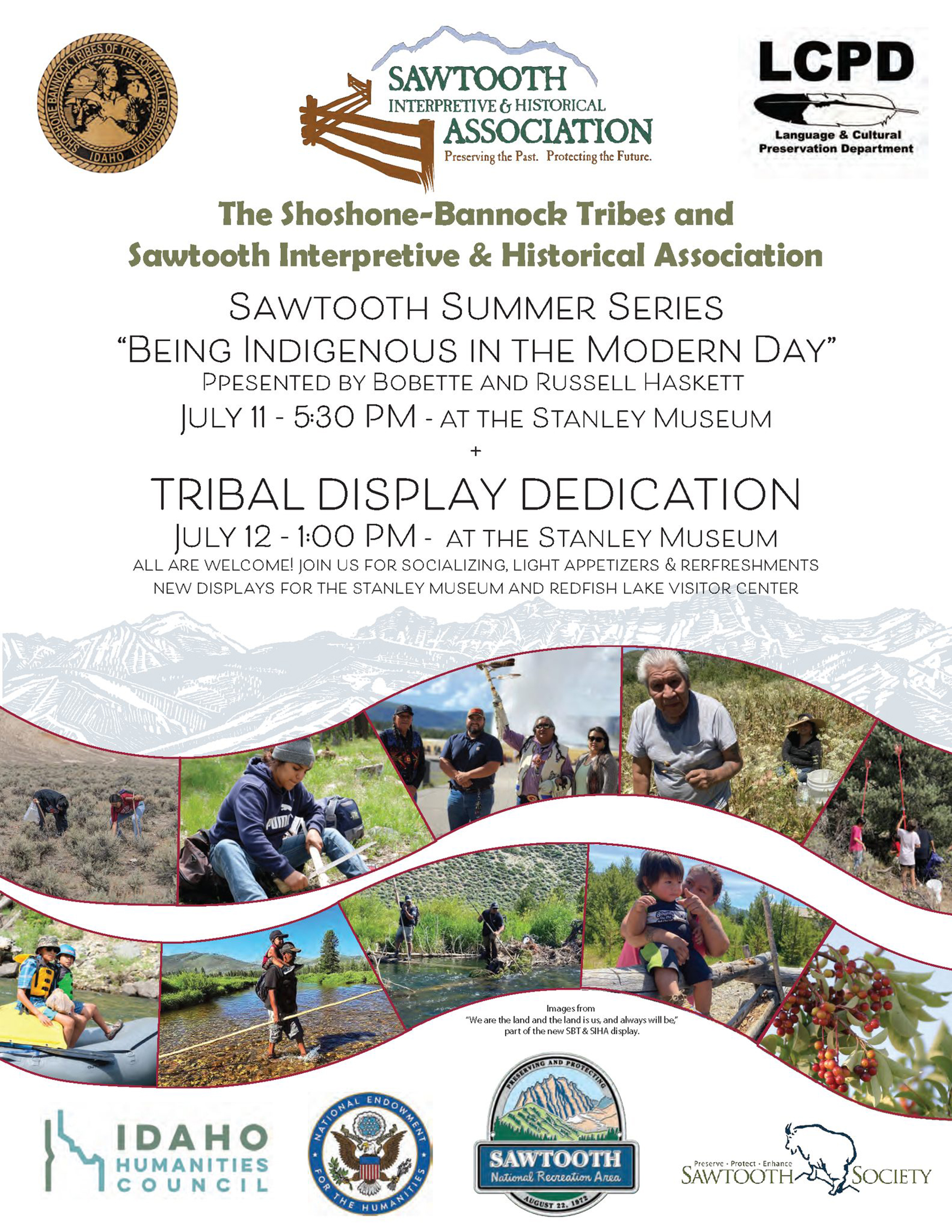
STANLEY — The Shoshone-Bannock Tribes, in partnership with the Sawtooth Interpretive & Historical Association (SIHA) invite the public to a special dedication on Saturday, July 12 at 1 p.m. at the Stanley Museum.
The event celebrates the work and partnership in developing permanent tribal interpretive displays for the Stanley Museum and Redfish Visitor Center & Gallery.
The displays share the unique history and lifeways of the Shoshone-Bannock Tribes and their current and past connection to the Sawtooth National Recreation Area according to a press release. (cont.)
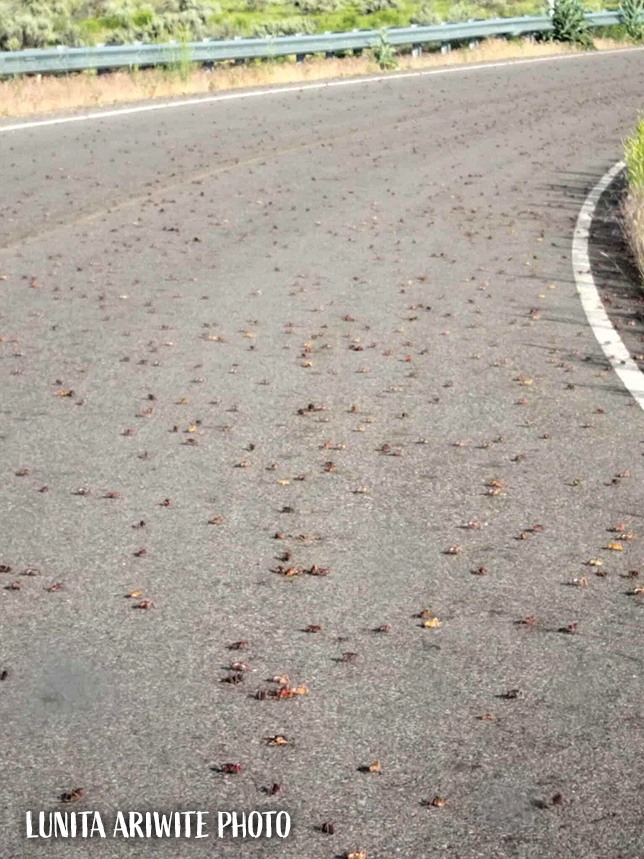
FORT HALL — Mormon crickets are infesting northeastern range units in the Ross Fork District and Lincoln Creek District of the Fort Hall Indian Reservation.
Danielle Gunn, University of Idaho Fort Hall Extension agricultural educator, said her program, along with the Shoshone-Bannock Tribes Agriculture Resources Management Program collaborated with the Idaho State Department of Agriculture (ISDA) to conduct site evaluations in the spring in a proactive response to the infestations being experienced since 2023.
Gunn said it was determined Fort Hall meets the ISDA requirements to receive bait (Carbaryl Sevin) to manage the Mormon crickets. The Extension office and ARM are coordinating the efforts to obtain and apply the bait in affected areas. She said it is important to report infestations through the Extension or ARM offices, do not contact ISDA directly. (cont.)
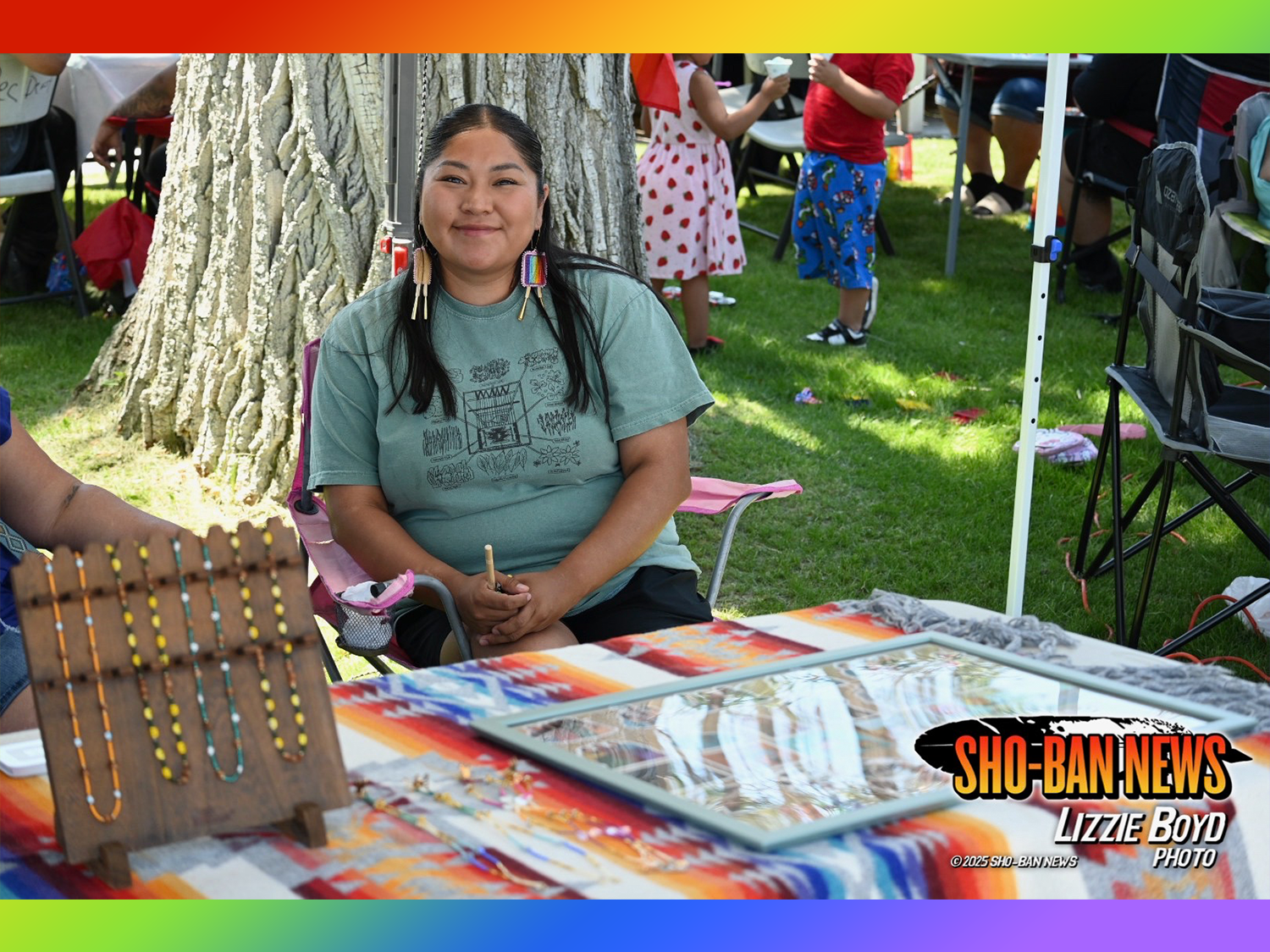
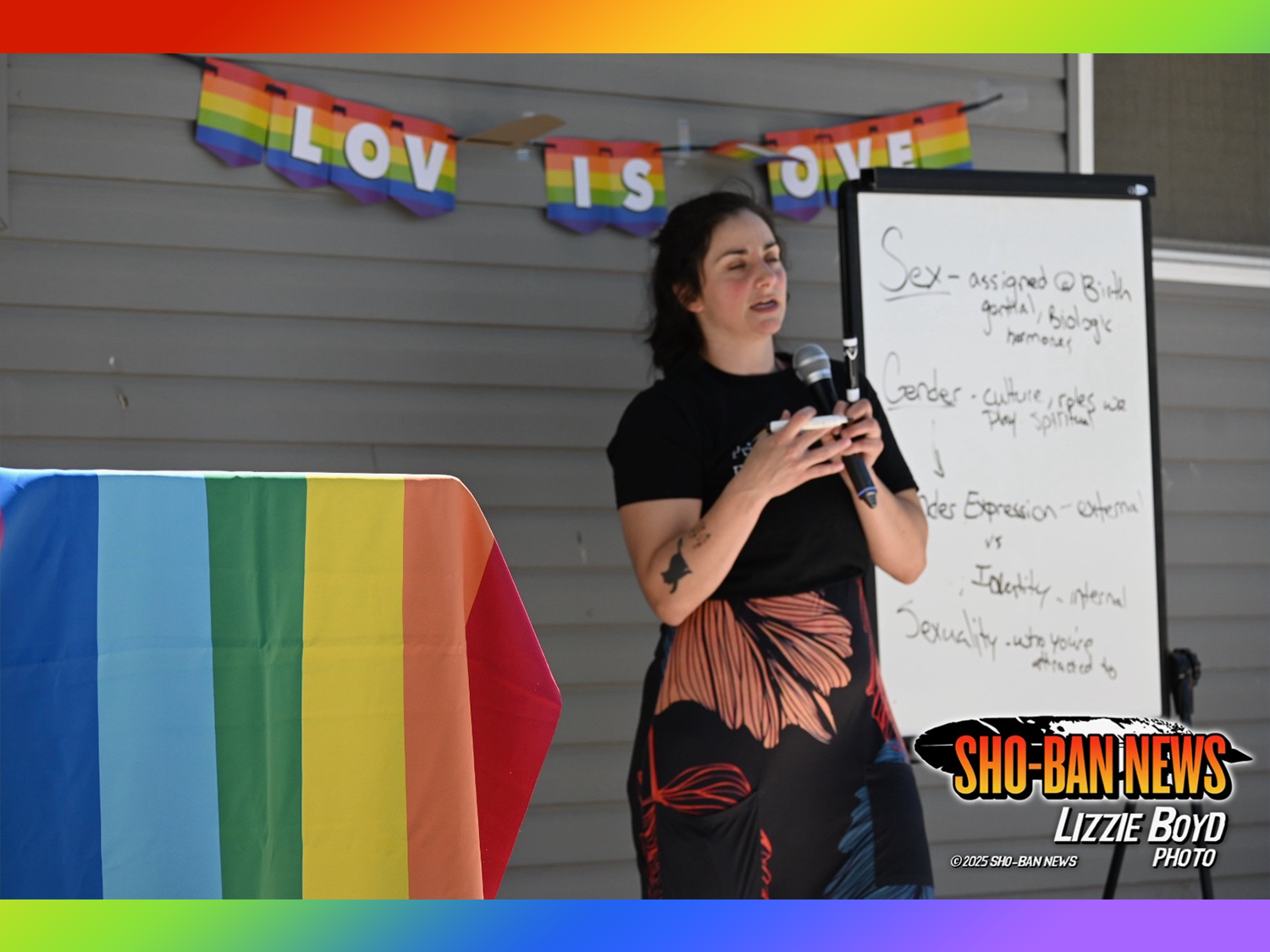
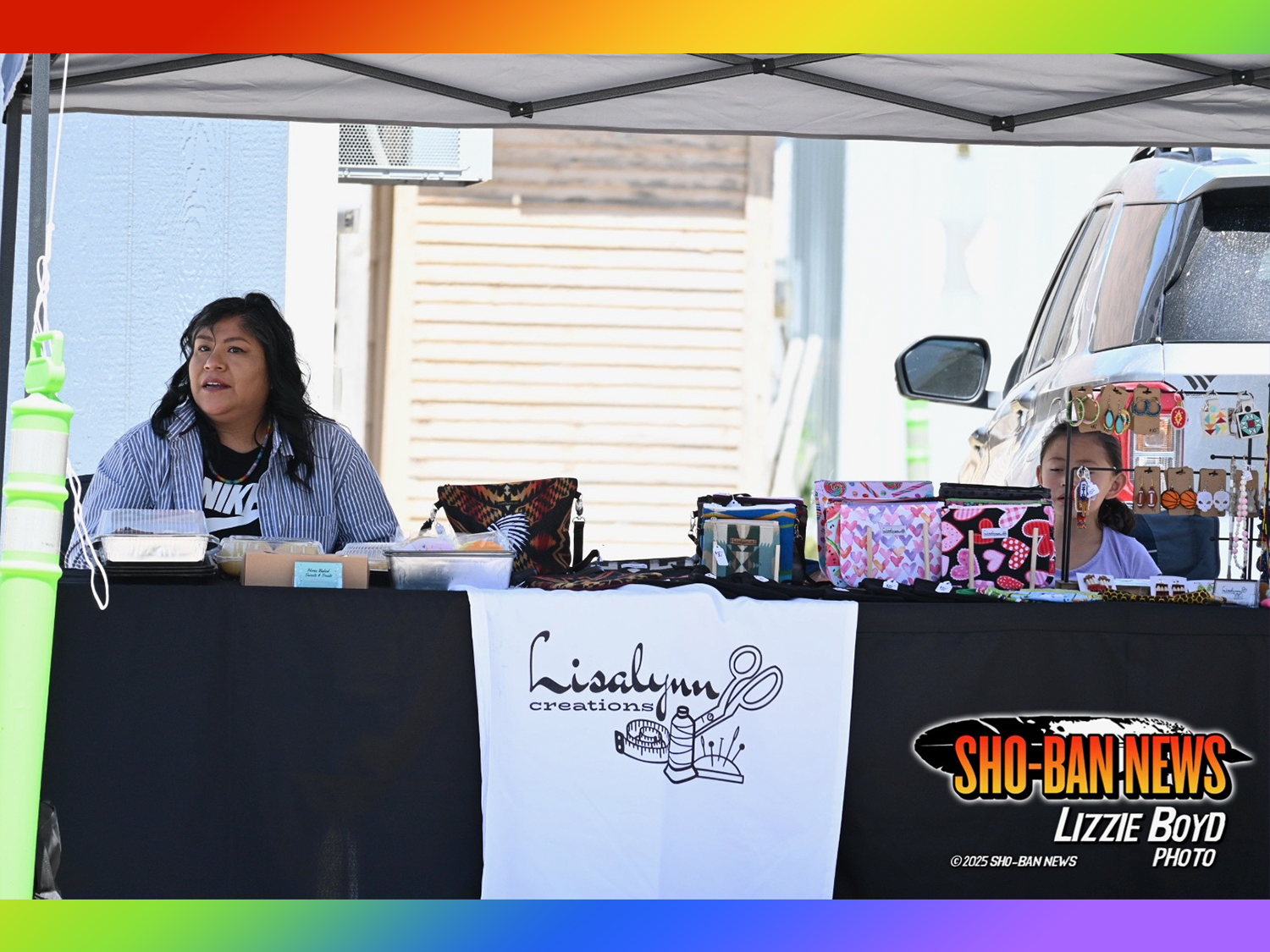
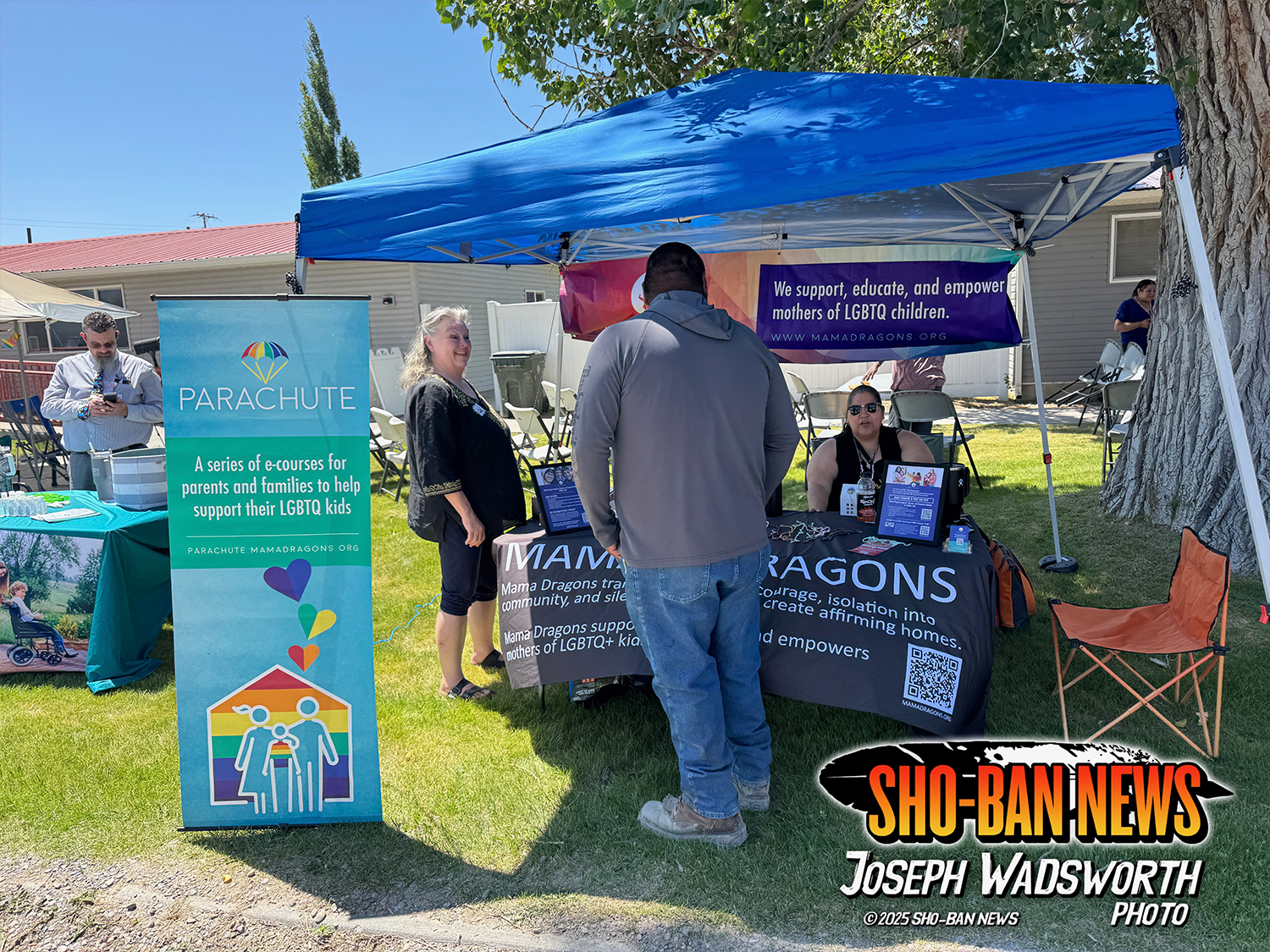
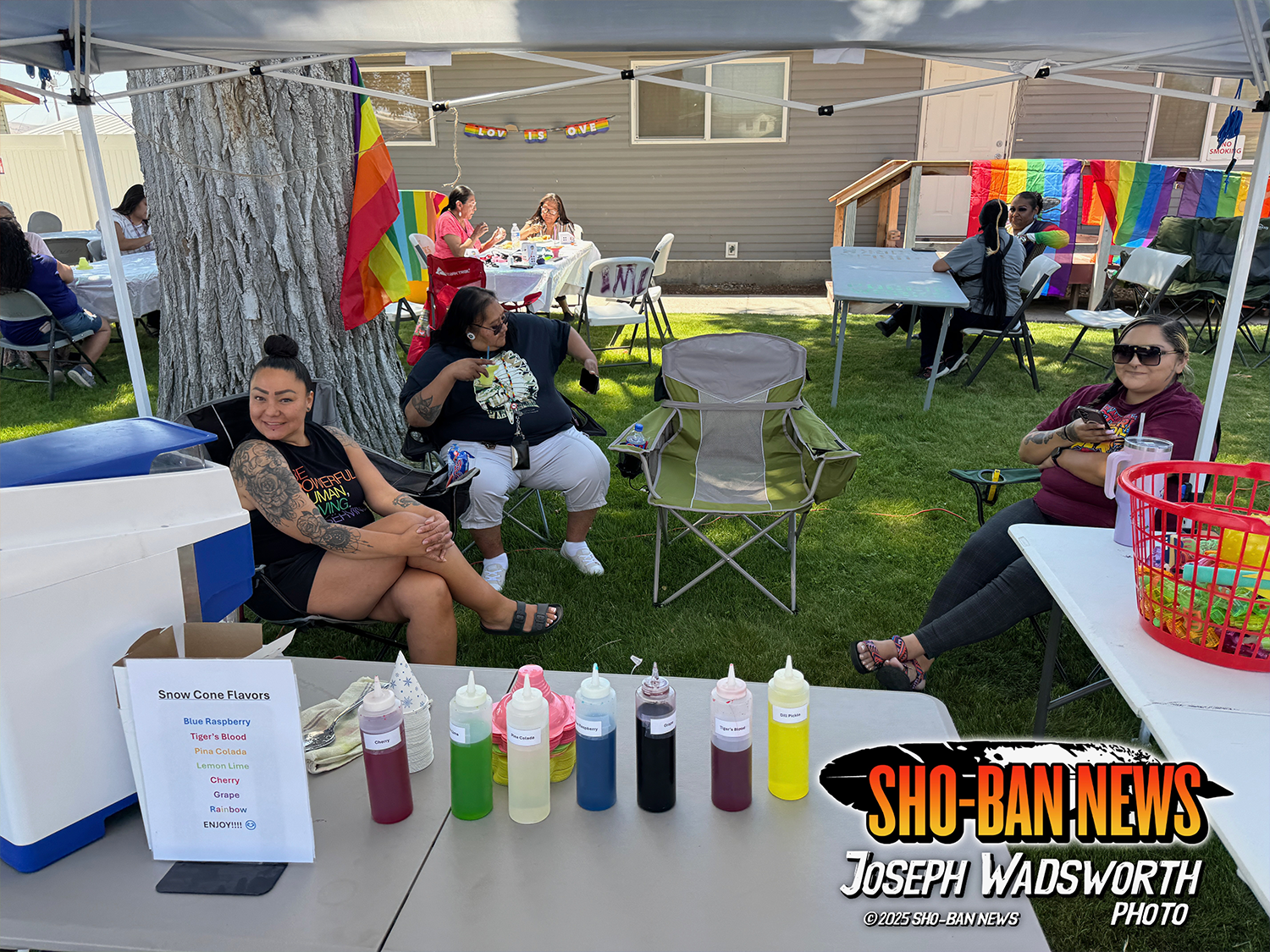
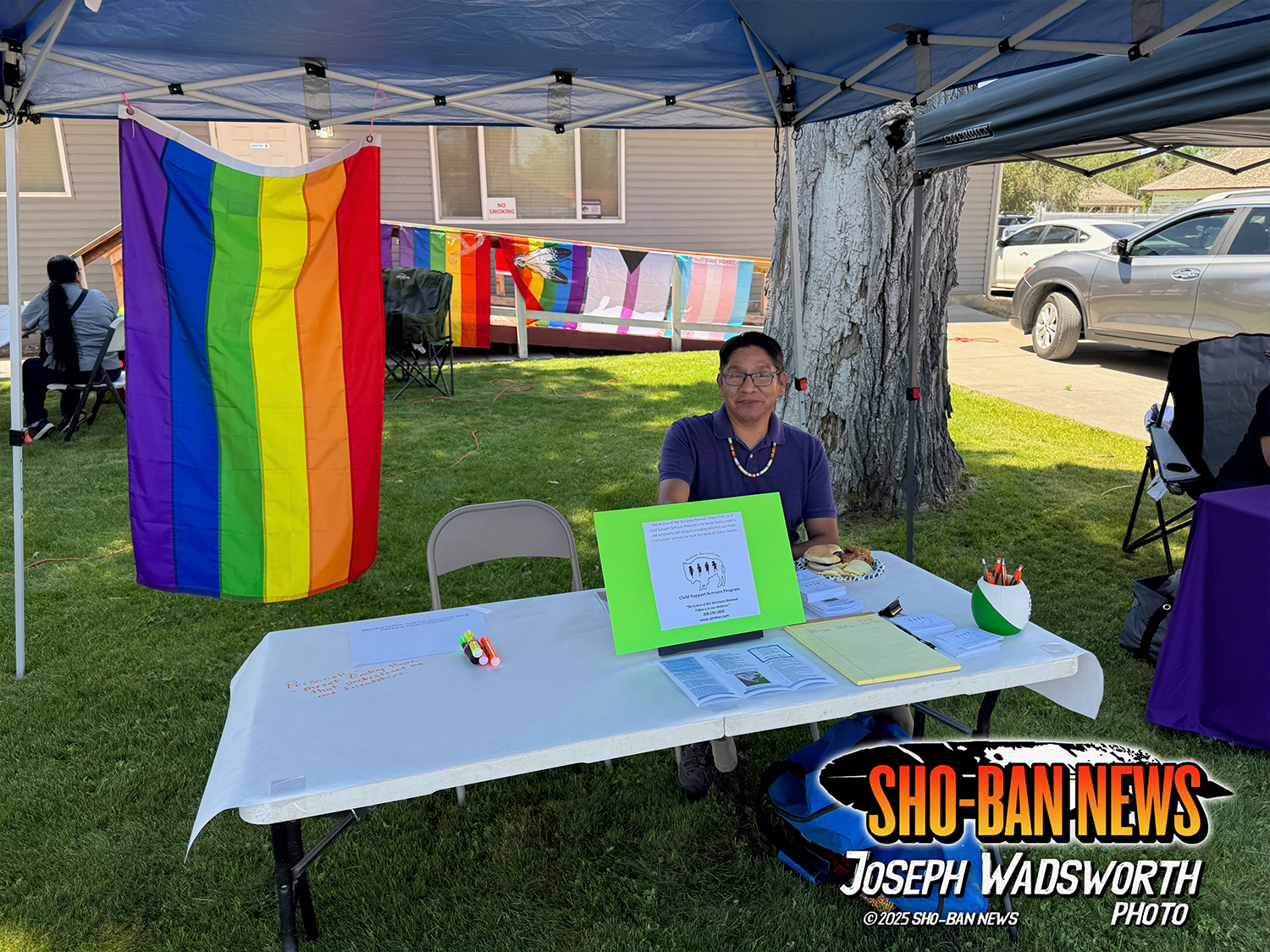
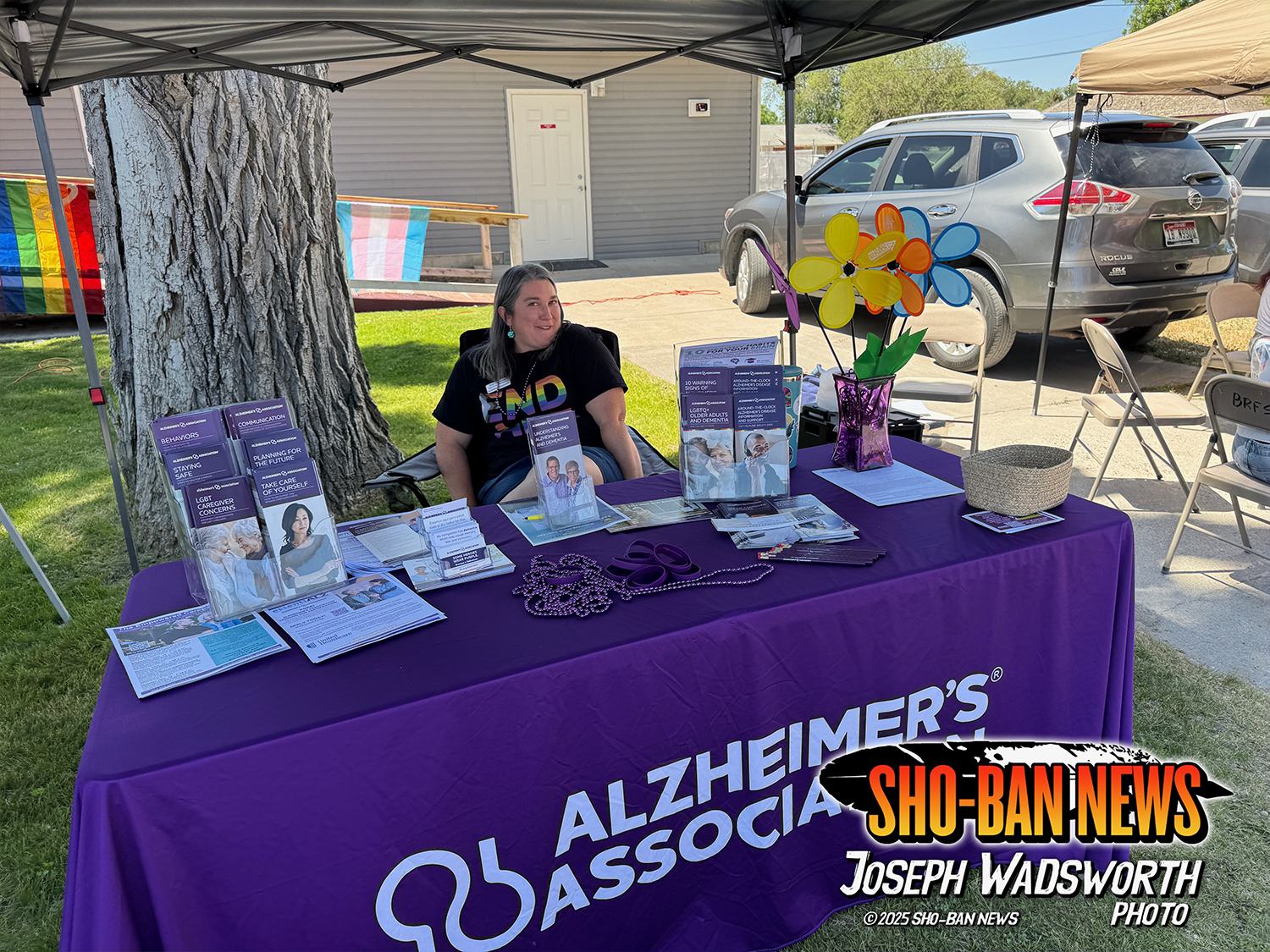
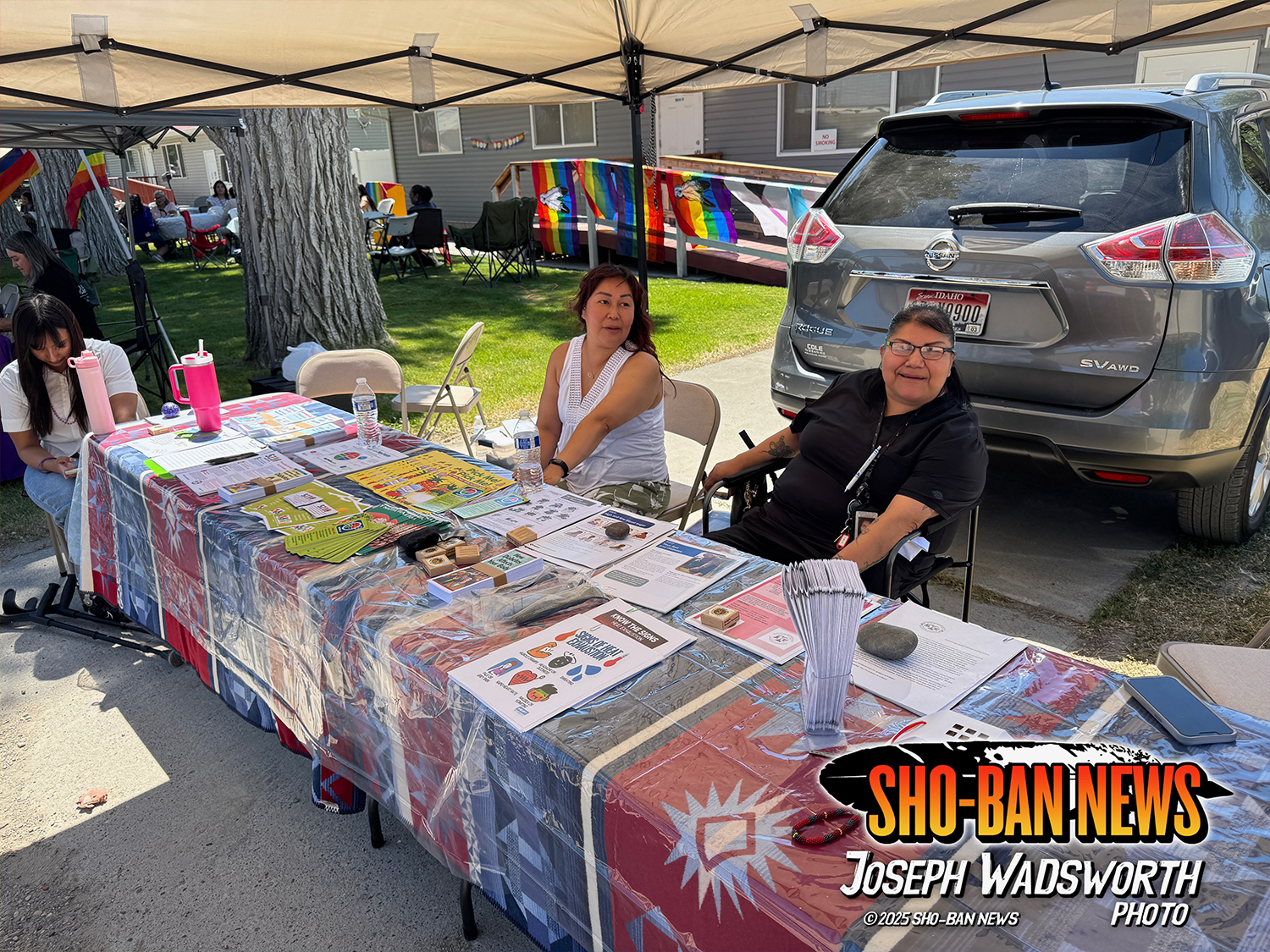
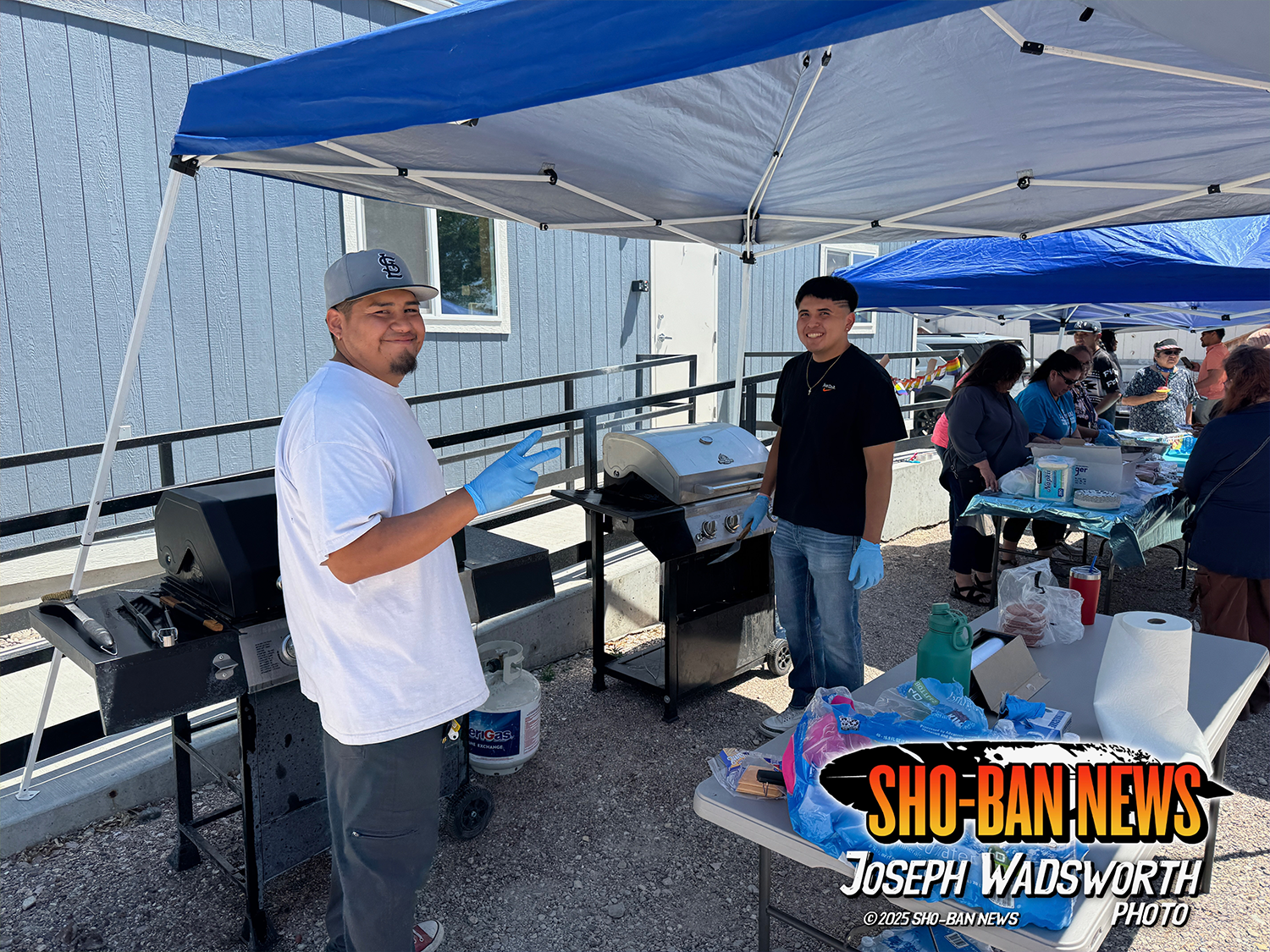
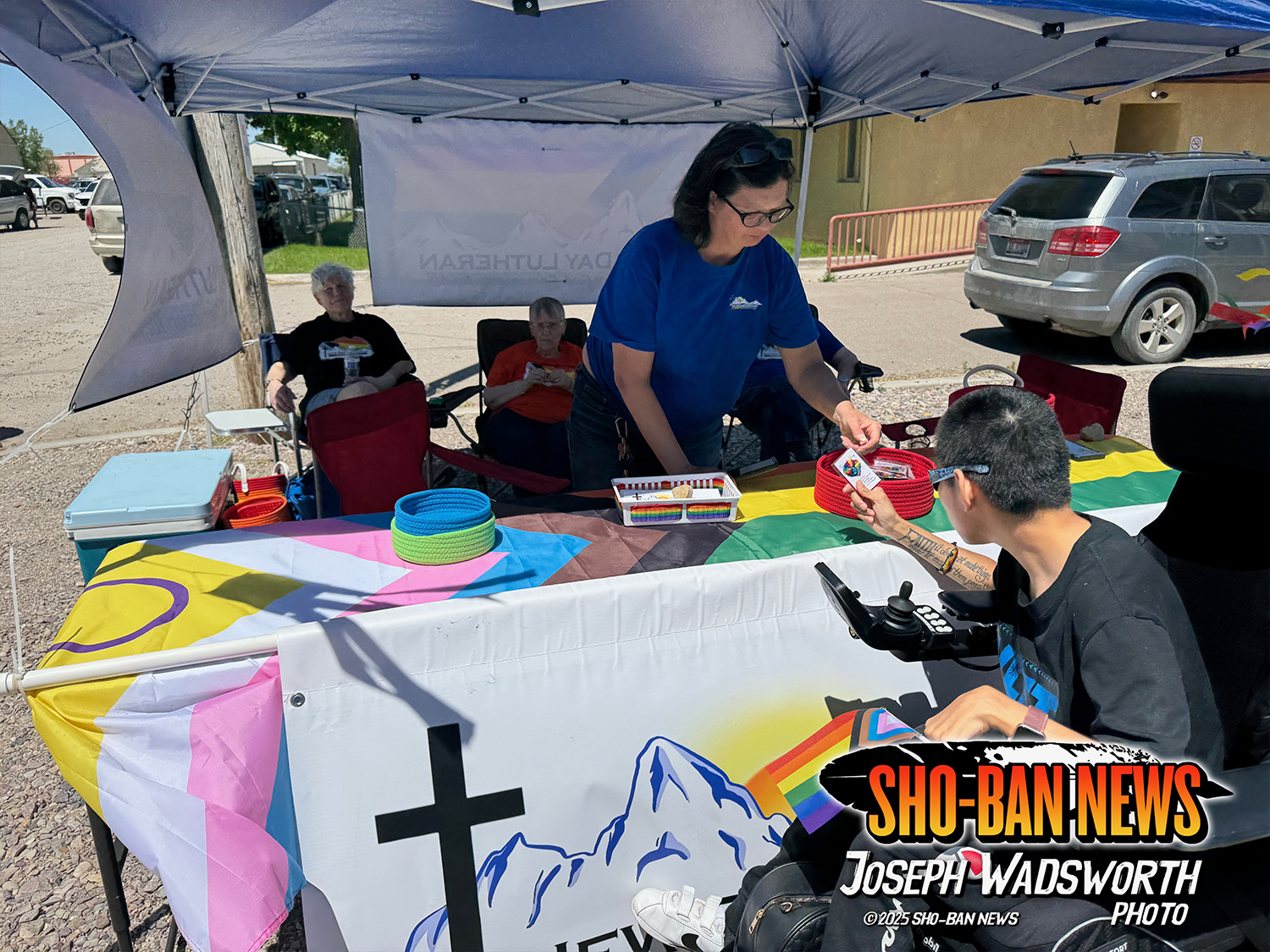
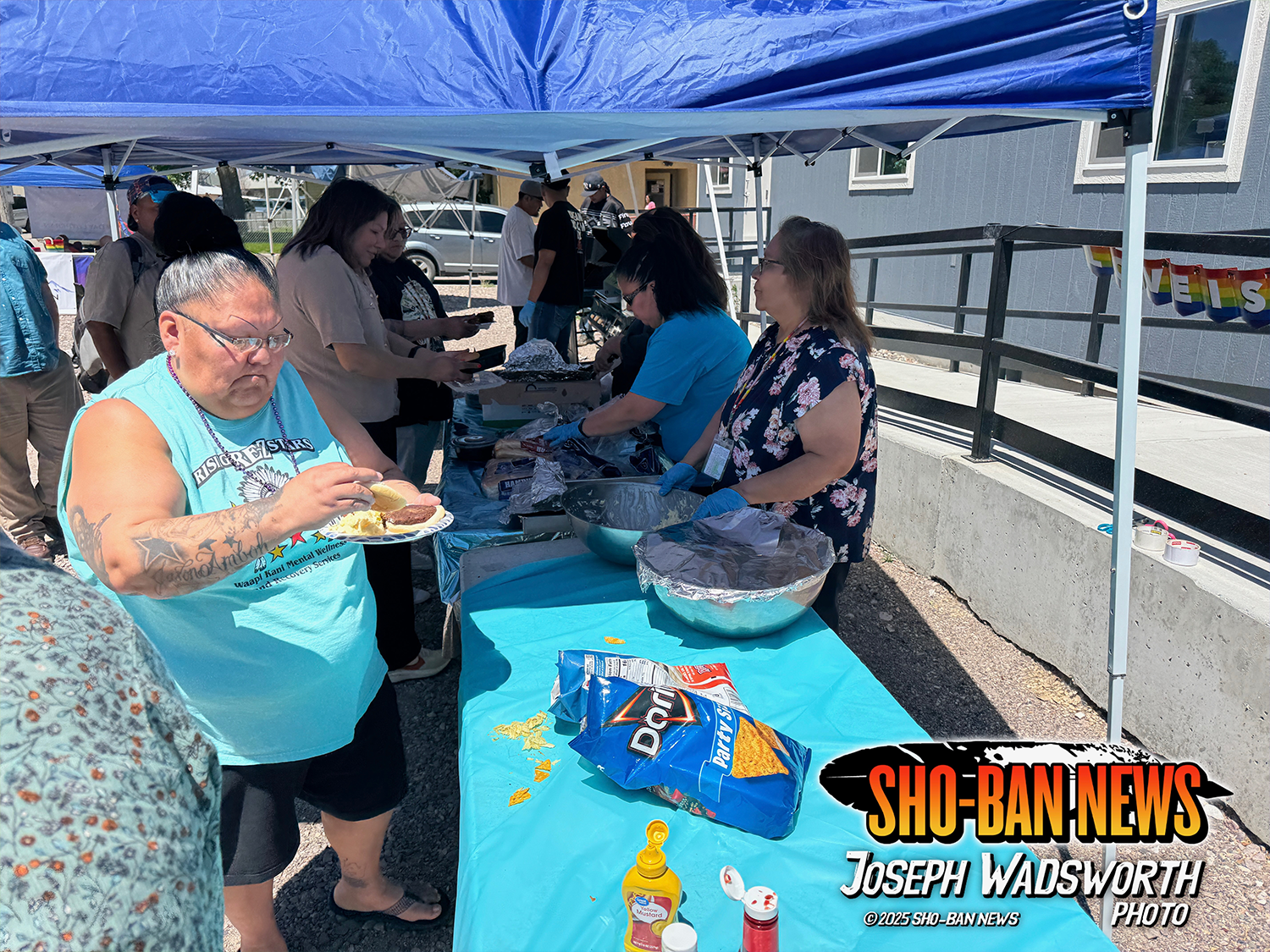
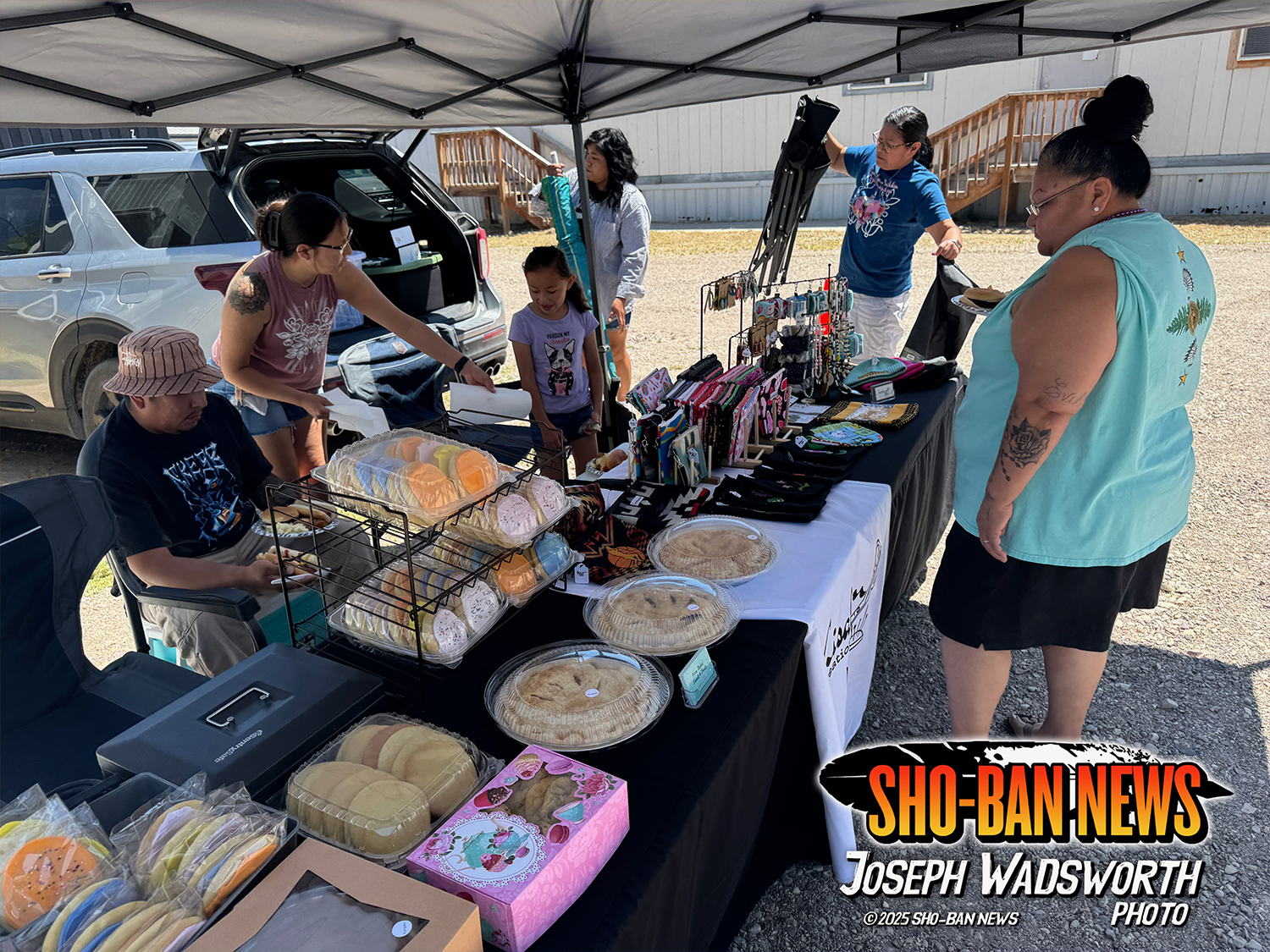
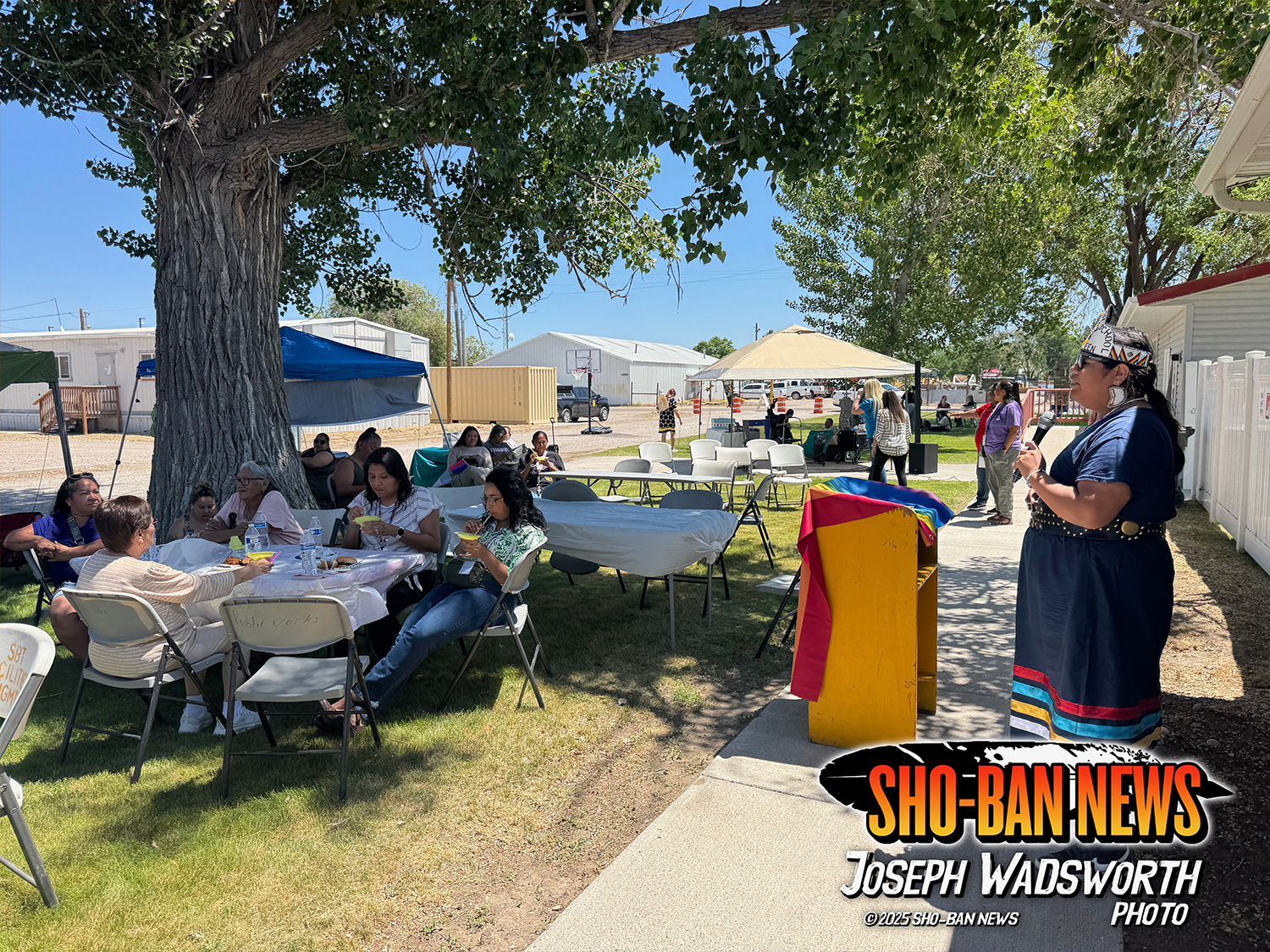
VAP Pride Month Block Party